مجلة هيفيا®
-
When it comes to sheets, look no further as our Heveya® Linen Sheets are one of the best sellers in the market. Adored for its beautiful texture and natural look , they’re a great addition to your cosy bedroom.
At Heveya®, we are focused on providing all natural and organic bedding products. Starting with our famous Heveya® mattresses, we have now expanded to Heveya® linen sheets simply because of its breathability which allows you to stay cool and comfortable no matter the weather. This perfectly matches the qualities of our mattresses, making them a formidable duo to have in your bedroom.
Why choose Flax Linen?
Over time, many of us use the term “linen” to generalise bed sheets as a whole. However, the actual meaning of “linen” refers to one particular type of sheet formed by the fibres of a flax plant. When it comes to overall comfort, durability and aesthetics, flax linen is in the forefront of sheets. Let us share with you how these beautifully textured sheets can give you comfortable sleep!
Heat regulating
Most sheets in the market are breathable. However, the breathability of a sheet depends on the way the sheet was woven. Tightly woven sheets prevent proper ventilation which causes the sheet to be less breathable. As for flax linen, the material has a molecular structure which doesn’t require them to be tightly woven together. Linen sheets also can absorb up to 20% of its weight in moisture before feeling damp. Water (sweat) is absorbed and wicked away from the skin and evaporates quickly, leaving you feeling cool and dry throughout the night.
Hypo-allergenic
Linen is also considered a good material for sensitive skin. Due to its breathability, it allows good airflow and is less likely to cling onto the skin. Also, due to its lower thread count and looser weaves, dust and other particles will not be trapped within the material, making flax linen a great choice for those sensitive with allergens.
Easy to care for
It’s a fact that linen fabric requires little maintenance. As it's made of a hardy fibre, you can simply toss it into the washing machine. It will soften with every wash but retains its overall structural integrity.
We would recommend tumble drying the sheets on the lowest temperature. Remove them while they are slightly damp and allow the remaining water to evaporate naturally. Ironing is unnecessary as the creases and natural drape add to its appeal!
Eco-friendly
For Heveya®, working with sustainable materials is important to us. Our linen sheets come from European Flax plantations that are naturally organic because no insecticides, pesticides or chemical fertilisers were used to grow them. Furthermore, these plants need very little irrigation when grown and are minimally processed. Compared to other materials, linen requires less water to create linen products. To put this in perspective, making a linen shirt will only require one quarter of the water to be used for making a cotton shirt.
Flax is a sustainable and environmentally friendly plant source. All parts of the plant are useful and can be fully utilised from fibres to flax seeds, leaving no waste behind. Last but not least, flax linen sheets as the end product are made from 100% natural fibers and are biodegradable. There is no better way to help our planet heal while having a comfortable night's rest.
How flax linen sheets are made
Once flax plants grow, they are then pulled from the ground; this is to ensure that the longest fibres of the flax plant are obtained. After being harvested, the retting process begins. This stage involves the breaking down of the natural adhesives within the plant to separate the fibres. After this, scutching, the separation of long fibres from short fibres and from leftover seeds, is done. Typically short fibres are used to make monetary notes, while the long fibres are used to make textile goods. This ensures that none of the fibres go to waste and the entire plant is fully utilised. Following the scutching process, the fibres are then combed for any impurities, then they are spun in heated water around 60°C. This is to allow the fibres to turn into threads. After this, it is woven to form a sheet and ready to be fitted across your bed for a comfortable night's sleep!
Sealing the deal
Flax linen is great value for money! As one of the strongest natural plant fibres in the world, linen sheets can last for many years. So don't worry if you like to toss and turn throughout the night or wash your bed sheets often.
Due to its unique properties, flax linen sheets get softer and more comfortable with each wash as well. You may have heard the term “Stonewashed Linen”. As the name suggests, it refers to linen which undergoes washing through abrasive means to achieve a softer texture. For longevity reasons, Heveya® Flax Linen Sheets didn’t go through this process and therefore, the sheets still retain their natural crispness and you’ll get to enjoy these sheets for many years to come!
Flax linen sheets are a must have!
Made from 100% ethically sourced and certified organically grown flax, Heveya® Linen Sheets are luxurious, breathable, hypoallergenic, antimicrobial and temperature regulating. Certified with Oekotex Class-1, our sheets are free from chemicals and even safe for babies. Check out our linen sheets sets here. They come with everything you need to make your bed look inviting and give you your well-deserved rest.
Don’t worry if linen is not your cup of tea, we also carry silky-soft bamboo lyocell sheets which are also cooling and breathable, perfect for Dubai's hot weather.
When it comes to a good night's sleep, comfort and support are important, which can't be achieved with bedsheets alone. Having a good mattress is the most important ingredient! Head down to our showroom to see how our Heveya® organic latex mattresses pair with our bedsheets to achieve the cosiness you need.
-
In today's hustle culture, burning the midnight oil has almost become a badge of honour. Individuals often boast about their all-nighters and packed schedules. However, one of the most impactful things anyone can do for their health, happiness, and productivity is to simply sleep.
It's a common misconception that sleep is merely a passive activity, a simple period of "rest." In reality, sleeping offers a wealth of often surprising benefits for physical, mental, and emotional well-being. This blog post will explore the profound advantages of adopting an early sleep schedule, revealing how it can transform health and overall quality of life by simply prioritising sleep.
What Exactly Does Sleeping Early Mean?
Let's tackle the big question right away: What constitutes sleeping early? The truth is, there's no single answer that fits everyone. Individuals are unique, with varying circadian rhythms and specific life challenges.
It's tempting to look for a magic bedtime, a universal cure-all for sleep woes. However, the idea that everyone needs to be tucked in by, say, 9 PM is simply unrealistic and unhelpful. What's "early" for one person might be the middle of the night for another.
Understanding Your Circadian Rhythm
To understand what sleeping early means for you, it’s important to grasp the concept of the circadian rhythm. Think of it as the body's internal clock, a roughly 24-hour cycle that regulates various physiological processes, including sleep-wake patterns, hormone release, and body temperature.
Getting an early night’s sleep helps the body align with its natural circadian rhythm, making it easier to wind down and prepare for restful sleep.
Here's a visual representation:
Time
Physiological Process
6:00 AM
Blood pressure rises sharply
7:00 AM
Melatonin secretion stops
9:00 AM
Highest testosterone secretion
10:00 AM
High alertness
2:30 PM
Best coordination
5:00 PM
Greatest cardiovascular efficiency and muscle strength
7:00 PM
Highest body temperature
9:00 PM
Melatonin secretion starts
10:30 PM
Bowel movements suppressed
The exact timing of one's circadian rhythm may vary, depending on factors such as genetics, age, and environmental cues (light exposure). The ideal best way is to build habits and maintain a consistent routine.
Finding Your Ideal Bedtime
While there is no one-size-fits-all answer, generally sleeping from 10pm to 11pm can be a useful starting point for many adults who want to get an early start. However, the most important aspect is not the exact time, but the consistency of the sleep schedule.
The Body's Natural Detox Cycle: Working with Your Natural Rhythms
Your body follows a natural detoxification rhythm, with different organs working at specific times to cleanse and restore balance. Prioritising rest, especially quality sleep, allows these processes to function optimally, leading to better overall well-being. During deep sleep, the liver and gallbladder play a key role in detoxifying the body, reinforcing the importance of a good night’s rest. In the early morning, the lungs cleanse, while the large intestine prepares for elimination. This highlights why a morning routine that includes hydration and movement is beneficial. The small intestine then absorbs nutrients, making a nourishing breakfast essential. Finally, as evening approaches, the immune system regenerates, underscoring the need for relaxation before bed.
By honouring these natural rhythms and ensuring quality sleep on a breathable, comfortable sleep surface, such as Heveya® organic latex mattresses and bamboo lyocell sheets, you support your body’s ability to restore itself each night.
Your Body’s Detox Clock
9 PM - 11 PM (Immune System): Time to unwind—calm the mind and prepare for sleep.
11 PM - 1 AM (Liver): Detoxification in full swing—deep, uninterrupted sleep is key.
1 AM - 3 AM (Gallbladder): Cleansing continues—restorative sleep is crucial.
3 AM - 5 AM (Lungs): The body purifies—avoid cough suppressants that may interfere.
5 AM - 7 AM (Large Intestine): Best time for elimination—hydrate and start your day.
7 AM - 9 AM (Small Intestine): Optimal nutrient absorption—fuel your body with a nourishing breakfast.
Consistency is Key
Aim to go to bed and wake up at the same time every day, even on weekends, to help regulate circadian rhythms. This consistency helps signal to the body that it's time to wind down and prepare for rest. Conversely, irregular sleep patterns can disrupt these natural rhythms, leading to sleep disorders and other health issues.
Understanding Your Chronotype: Finding the Right Sleep Schedule
Your chronotype: your natural tendency to sleep and wake at certain times, plays a key role in determining when you feel most alert and productive. Are you a morning lark, energised in the early hours? Or do you come alive in the evening, finding focus after sunset? Identifying your sleep style helps you establish a bedtime that works best for your body’s needs.
Even if you naturally lean towards later nights, adjusting your sleep schedule slightly earlier can help you align with the body’s natural light-dark cycle. This shift can improve sleep quality and overall well-being without requiring a complete change to your chronotype. Ultimately, whether you thrive in the morning or evening, prioritising sufficient, high-quality rest allows you to experience the full benefits of sleeping early which leads to better energy, focus, and long-term health.
The Science Behind Early Sleep: Why It Matters
The benefits of sleeping early are far more than just feeling less tired in the morning. There's a wealth of scientific evidence that shows just how crucial going to bed early is for various aspects of health.
Hormonal Regulation: A Symphony of Sleep
Melatonin Production: Darkness triggers the release of melatonin, the sleep hormone, from the pineal gland. Melatonin helps to regulate the sleep-wake cycle and promotes feelings of drowsiness. Sleeping in a dark room, particularly during the early evening hours, maximises melatonin production. Conversely, exposure to light, particularly blue light from electronic devices in the evening, can suppress melatonin production and make it harder to fall asleep. Morning sunlight serves as a natural cue for the body to wake up, suppressing melatonin production and encouraging alertness. Exposure to natural light early in the day helps reinforce a healthy sleep-wake cycle, making it easier to fall asleep earlier at night.
Cortisol Control: Cortisol, known as the stress hormone, follows a natural rhythm that peaks in the morning to promote alertness and gradually declines throughout the day. However, chronic stress and inadequate sleep can disrupt this cycle, leading to persistently high cortisol levels, which may contribute to anxiety and other health concerns. Prioritising an earlier bedtime supports the body's ability to regulate cortisol naturally, aligning with the circadian rhythm. As a result, those who embrace the sleeping early may experience the benefits, such as reduced stress, improved resilience, and overall better well-being. Managing stress levels is very important as high-stress levels can interrupt your sleep. Try to incorporate relaxing activities into your day, especially before bed, such as reading, yoga, or gentle stretching.
Growth Hormone Release: Growth hormone is predominantly released during deep sleep, which occurs most effectively in the earlier part of the night. This essential hormone plays a vital role in tissue repair, muscle growth, and overall regeneration. By maintaining a consistent sleep schedule and prioritising earlier bedtimes, the body can maximise the benefits of sleeping early, ensuring optimal hormone production for improved health, recovery, and physical function.
Brain Function and Cognitive Benefits: Sharpening the Mind
Improved Memory Consolidation: Sleep plays a vital role in memory consolidation, the process by which short-term memories are transferred to long-term storage. During sleep, the brain replays and strengthens neural connections, solidifying newly learned information. Sleeping early allows for a longer period of deep, restorative sleep, which is essential for effective memory consolidation and improved cognitive function.
Enhanced Focus and Concentration: Enhanced Focus and Concentration: Sleep deprivation impairs cognitive performance, making it difficult to focus, concentrate, and think clearly. Getting enough sleep can improve attention span, enhance the ability to process information, and boost overall cognitive function. The benefits are especially critical for students and professionals who rely on their cognitive abilities for success.
Better Decision-Making: Studies have shown a direct link between sleep and sound judgment. When sleep-deprived, people are more likely to make impulsive, risky decisions and are less able to accurately assess situations. Getting consistent and restorative sleep improves cognitive clarity, allowing for more rational and informed decision-making.
Physical Health Advantages: Building a Stronger Body
Stronger Immune System: Sleep is essential for immune function. During sleep, the body produces and releases cytokines, proteins that help fight infection and inflammation. Sleep deprivation weakens the immune system, making individuals more susceptible to illness. Regular sleep includes strengthening the immune system, reducing the risk of colds, flu, and other infections.
Reduced Risk of Chronic Diseases: Chronic sleep deprivation has been linked to an increased risk of various chronic diseases, including heart disease, diabetes and obesity. Going to bed regularly and early can help regulate blood sugar levels, reduce inflammation, and improve heart health, thereby lowering the risk of these serious health problems.
Weight Management: Sleep plays a crucial role in regulating appetite hormones, ghrelin and leptin. Ghrelin stimulates appetite, while leptin signals satiety. Sleep deprivation disrupts the balance of these hormones, leading to increased hunger and decreased feelings of fullness. This can contribute to overeating and weight gain.
The Surprising Benefits of an Early Bedtime: More Than Just Feeling Rested
While going to bed earlier is well known for its physical health benefits, its positive effects go far beyond the body. Embracing an earlier bedtime can lift your mood, boost productivity, strengthen relationships, and even support healthier-looking skin.
Improved Mood and Emotional Wellbeing: A Brighter Outlook
Reduced Irritability and Mood Swings: Sleep deprivation can wreak havoc on emotional regulation. When tired, people are more likely to experience irritability, mood swings, and difficulty managing their emotions. The benefits of sleeping early promote emotional stability, reducing the likelihood of feeling overwhelmed or reactive.
Lower Risk of Depression and Anxiety: There is a strong link between sleep and mental health. Chronic sleep deprivation has been linked to an increased risk of depression and anxiety disorders. Going to bed early helps regulate neurotransmitters such as serotonin and dopamine, a key role in mood regulation. Ensuring regular sleep during the early evening contributes to a more positive mood and reduced anxiety levels.
Increased Resilience to Stress: Stress is an unavoidable part of modern life, but prioritising quality sleep can help mitigate its effects especially with an earlier bedtime. The benefits of sleeping early include improved emotional resilience and a stronger ability to manage daily challenges. By allowing the body and mind to recover overnight, a well-rested individual is better equipped to handle stress, reducing the likelihood of feeling overwhelmed.
Enhanced Productivity and Performance: Reaching Your Potential
Better Focus and Concentration: As mentioned earlier, sleep deprivation impairs cognitive function, making it difficult to focus and concentrate. Making sleep a priority and going to bed early can improve focus, sharpen attention, and enhance cognitive performance, whether at work or school. This translates to increased productivity, improved quality of work, and a greater sense of accomplishment.
Increased Creativity and Problem-Solving Abilities: Sleep is not just about rest; it is also a time for the brain to process information and make new connections. Early regular sleep increases insight and innovation, fostering greater creativity and problem-solving ability. Many successful people credit their innovative ideas to the restorative power of sleep.
Improved Athletic Performance: Sleep is critical for athletes, as it promotes muscle recovery, improves endurance, and enhances overall performance. Early regular sleep allows for adequate time for the body to repair and rebuild itself after training or competition, leading to faster recovery and improved athletic results.
Better Skin Health: Beauty Sleep is Real
Cell Repair and Regeneration: During sleep, the body repairs and regenerates cells, including skin cells. Going to bed early and getting enough sleep allows the skin to repair itself overnight, reducing the appearance of wrinkles, fine lines, and other signs of aging.
Reduced Inflammation: Sleep deprivation triggers inflammation throughout the body, contributing to skin problems like acne, eczema, and psoriasis. Prioritising sufficient rest, therefore, helps to reduce this inflammation, promoting a clearer and healthier complexion.
Practical Tips for Transitioning to an Earlier Sleep Schedule
Switching to an earlier best time to sleep schedule can be challenging, but it's definitely achievable with a few simple strategies:
Gradual Adjustments: Avoid drastic changes. Shift your bedtime by 15-30 minutes each night until you reach your desired sleep schedule.
Creating a Relaxing Bedtime Routine: Establish a calming routine to signal to your body that it's time to wind down. This could include:
Taking a warm bath or shower.
Reading a book (not on a screen).
Listening to calming music.
Practicing mindfulness or meditation.
Optimising Your Sleep Environment: Make sure your bedroom is dark, quiet, and cool.
Use blackout curtains or an eye mask.
Invest in a comfortable mattress and pillows.
Consider using a white noise machine or app.
Avoiding Stimulants Before Bed: Avoid caffeine, alcohol, and nicotine in the hours leading up to bedtime.
Limiting Screen Time Before Bed: The blue light emitted from screens can interfere with melatonin production. Try to avoid using electronic devices for at least an hour before bed.
Using Sleep Aids if Necessary: Consult with a doctor before using melatonin supplements or other sleep aids. Herbal teas like chamomile or valerian root can also promote relaxation.
Consistent Sleep Schedule on Weekends: Avoid "social jetlag" by maintaining a similar sleep schedule on weekends as you do during the week.
Sunlight Exposure in the Morning: Exposure to sunlight in the morning helps regulate your circadian rhythm.
Addressing Common Challenges and Obstacles
Insomnia and other Sleep Disorders: If you have persistent sleep problems, consult with a doctor or sleep specialist to rule out any underlying sleep disorders.
Shift Work and other Irregular Schedules: Managing sleep with irregular schedules can be challenging, but prioritise sleep whenever possible and use strategies like naps and blackout curtains to create a conducive sleep environment.
Feeling "Wired" or Unable to Wind Down: Try relaxation techniques like deep breathing or progressive muscle relaxation to calm your mind before bed.
Anxiety, stress, and worry:
Recommended to stop drinking caffeine after midday, or cutting it out completely.
Practice yoga and meditation
The Role of Diet and Exercise in Promoting Early Sleep
Foods that promote sleep:
Tart cherries (melatonin source).
Almonds (magnesium).
Kiwi (serotonin).
Warm milk (tryptophan).
Foods to avoid before bed:
Heavy meals.
Spicy foods.
Sugary snacks.
The importance of regular exercise:
Exercise can improve sleep quality, but avoid intense workouts close to bedtime.
Aim for at least 30 minutes of moderate-intensity exercise most days of the week.
Prioritising early sleep is an investment in your overall health and well-being, offering undeniable benefits ranging from hormonal balance to improved cognitive function. While establishing consistent sleep routines and habits is vital, creating an optimal sleep environment is equally crucial for deep, restorative rest. The foundation of this environment often lies in the quality of your mattress, where you spend a third of your life. For those seeking a truly natural and supportive sleep surface to enhance their sleep and overall health, the Heveya® Natural Organic Latex Mattress offers a compelling solution designed with both comfort and health in mind.
Heveya® Natural Organic Latex Mattress for Better Sleep and Healthier
Discover the unparalleled comfort and support of the Heveya® Natural Organic Latex Mattress, designed to promote optimal spinal alignment and pressure relief for a deeper, more restorative slumber. Crafted from sustainably sourced, chemical-free materials, this mattress creates a healthier sleep environment, minimising exposure to allergens and toxins. Wake up feeling refreshed and revitalised, ready to embrace the day with improved energy and well-being. Experience the Heveya® difference and invest in your long-term health with a sleep experience that's both luxurious and eco-conscious.
The Heveya® mattress isn't just about luxurious comfort; it's an investment in your long-term health and well-being. Unlike conventional mattresses that often contain synthetic materials and harsh chemicals, Heveya® uses only the purest, certified organic latex. This means you can sleep soundly knowing you're minimising your exposure to volatile organic compounds (VOCs), allergens, and other potential irritants. This makes it an ideal choice for individuals with sensitivities, allergies, or those simply seeking a cleaner, healthier sleep environment.
Furthermore, the unique properties of natural latex offer exceptional support and pressure relief. The responsive and resilient nature of the material gently contours to your body, distributing weight evenly and minimising pressure points. This can help alleviate aches and pains, improve spinal alignment, and promote a deeper, more restful sleep. Experience the difference of a mattress designed to work in harmony with your body, providing unparalleled comfort and support for years to come.
Conclusion
Establishing an earlier bedtime isn't just about getting more hours of rest — it's about choosing to support your body’s natural rhythms and setting the foundation for better health, focus, and resilience. When paired with the right sleep environment, the benefits of sleeping early become even more profound.
With the Heveya® Natural Organic Latex Mattress, you're not just investing in better sleep — you're investing in a healthier, more balanced life. Thoughtfully designed for comfort, crafted with integrity, and made to last, it’s the kind of support your body deserves.
Because when you sleep better, you live better — and it all starts with making sleep a priority.
-
Pillows are among the key requirements for a good night’s sleep. Without the right pillow, you get less rest and can even suffer from neck and back pain due to lack of support. In that sense, investing in a good pillow is an investment in your health!
This is why it’s so important to choose a good pillow. It’s equally important to understand that one-size-fits-all doesn’t apply here. Different people have different preferences and sleeping habits, so there will be variations in the ideal pillows for them.
Fortunately, there are ways to figure out what kind of pillow you should get. Here, we’ll give you a quick guide to seeking out a pillow that can get you through an uninterrupted night’s sleep.
What kind of sleeper are you?
You should first assess what kind of sleeper you are. Do you sleep on your side? On your belly? Or do you lie down on your back? Or a combination of them all? Whichever it is, it determines what kind of pillows you should get. That’s because the way you sleep tells you what sort of support your neck and spine require when you’re in bed.
Back sleepers should get thin pillows that won’t throw their head forward. That’s because having their heads thrown forward puts stress on their necks.
Side sleepers should opt for a high pillow, on the other hand. That can help keep their neck and spine aligned while providing good support. The width of your shoulders will also affect the ideal thickness of your pillow. This is because the pillow fills the space between the neck and the shoulder for a side sleeper. Thus, a person with wide shoulders will need a thicker pillow than someone with narrow shoulders. After all, there will be more space between the first person’s neck and shoulder.
As for front sleepers (those who sleep on their bellies), they should get a flat pillow. This is to make sleeping comfortable for them and avoid misalignment of the neck and spine by pushing the head backwards.
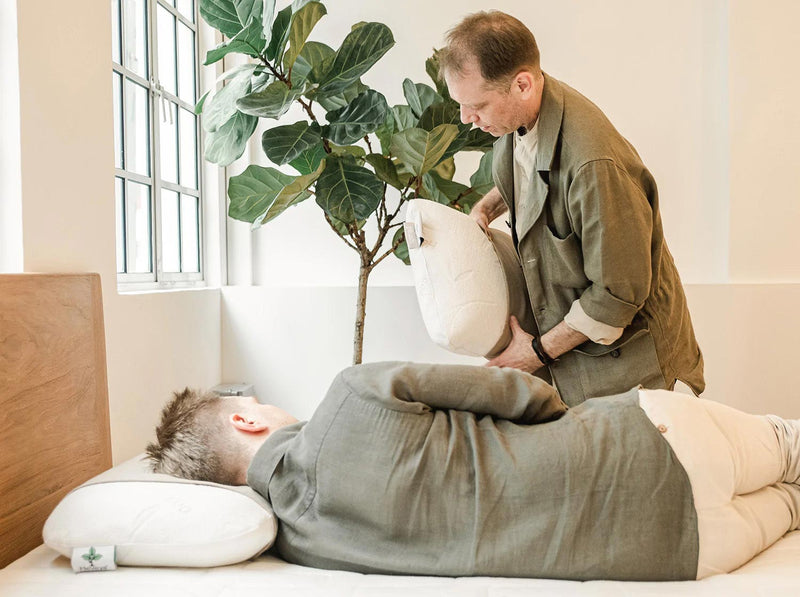
That said, the best way to find a pillow is really to try them in a showroom. This will let vendors assess if you like to toss and turn. Usually, they will take that information as well as the position in which you fell asleep as a gauge. From there, they can suggest a suitable pillow for you.
What kind of material should it be?
Now, aside from pillow shape and firmness, you have to think about the pillow’s material as well. There are different materials used in pillows, with different pros and cons. You have to think about your needs, such as if you’re allergic to certain materials, if your skin is sensitive, if the material is washable, and so on.
Here are the main types of pillows based on material:
Microfiber Pillows It’s the cheapest choice around, washable, and can come in different sizes. However, microfiber pillows don’t last very long, aren’t too breathable, and wear out easily.
Down/Feather Pillow A classic choice, feather pillows can be moulded to suit your neck. However, the maintenance of these pillows can be quite difficult. They need professional cleaning and can get flattened easily, so they may be a bad choice for those who prefer firmer pillows.
Kapok Pillows A vegan alternative of a down pillow, kapok is soft and free from toxic materials. However, it can’t hold its shape and is highly flammable. Its fine fibre also can trigger allergies for those who have sensitive airways.
Memory Foam Pillows One of the newer options, memory foam can mould into a person’s neck and back to help with support and sleep quality. However, this foam is not ideal in hot climates due to it being dense and heat-retentive.
Latex Pillows Natural latex is often confused with memory foam. That’s because both contour to the shape of the head and neck. However, natural latex is chemical-free and can be told apart easily from the way they “rebound” after use. Natural latex pillows are bouncy, whereas memory foam ones do a slow release.
Natural latex pillows are an ideal pillow type. Hypoallergenic and breathable, they offer ample support and are durable. As long as you’re willing to pay a good sum, a natural latex pillow is a wise investment for your sleeping.
An example of a great latex pillow is the Heveya® pillow, made of 100% natural organic latex. With an open cell structure and pincore holes, it doesn’t retain heat and is breathable. What’s more, it repels dust mites naturally and has a mould resistant core, making it naturally hypoallergenic. It also comes with a removable bamboo cover for easy washing so you can always have a hygienic and healthy sleep.
Firmness and form preferences aren’t a problem either, as Heveya® pillows come in different firmness options and shapes and sizes. You can get it through our online shop, so take a look at them if you want the best when it comes to latex pillows. These latex pillows can help you sleep all night with no interruptions.
Get the best of sleep
Take note, however, that the pillow is only one part of what you need for restful sleep. It needs to go with the right mattress or you may still find yourself unable to relax in your bed. Putting the right pillow with one of those mattresses should help you sleep sweeter than ever before.